When K-Pop Trainees Outwork Harvard Students: The Character Competency Crisis
BLACKPINK’s Jennie spent 6 years as a YG trainee. Six. Years. Daily vocal lessons, dance practice until 2 AM, language coaching, performance evaluations that could end careers. Most American high schoolers can’t stick with a hobby for 6 months.
Meanwhile, our “college-ready” graduates are arriving on campus unable to handle their first B+ or navigate a roommate conflict without calling home. The contrast isn’t just embarrassing — it’s data.
The Grit Gap Is Real
Korean entertainment companies didn’t accidentally create the most disciplined young performers on the planet. They identified character competencies that matter: Grit, Self-Control, Growth Mindset, and Purpose — then built systematic ways to develop them. While American education debates standardized test scores, K-pop trainees are mastering competencies that actually predict life success.
The numbers don’t lie. Korean students consistently outperform US students in resilience metrics, and it’s not just about academic pressure. It’s about systems that recognize character development as measurable, teachable, and essential.
Survey Culture vs. Performance Culture
| Traditional US Approach | IMPACTER Pathway | K-Pop Industry Model |
|---|---|---|
| “Rate your persistence 1-5” | Analyze reflection: “Describe overcoming obstacles” | Daily performance evaluations with concrete feedback |
| Annual character surveys | Real-time competency tracking | Continuous skill assessment and growth measurement |
| Generic “grit building” | Hyper-localized cultural adaptation | Culturally-specific excellence standards |
| Abstract goal-setting | Authentic voice reveals true purpose | Clear milestone progression toward mastery |
The difference? K-pop trainees can’t fake their way through a dance evaluation. Their competencies are demonstrated daily through performance, collaboration, and persistence under pressure. American students fill out surveys about their “leadership skills” then ghost their group projects.
The Neural Assessment Revolution
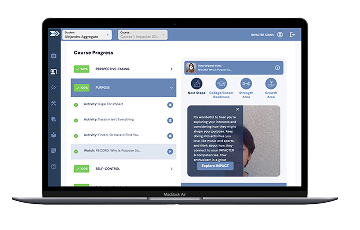
IMPACTER Pathway’s Neural Assessment Engine does what YG Entertainment does naturally — it measures character competencies through authentic demonstration, not self-reporting. When a student reflects on their response to academic challenges, our DistilBERT transformer models analyze semantic depth, persistence patterns, and growth mindset indicators across 1+ billion words of student voice data.
The science is startling: 97% scoring accuracy versus expert human evaluators. That exceeds human-to-human agreement rates (76%) because the AI detects linguistic patterns humans miss. A student writing “I guess I could try harder next time” scores differently than “I’m analyzing what specific strategies failed and testing new approaches.” The difference isn’t just attitude — it’s measurable competency development.
Consider Curiosity assessment. Traditional surveys ask: “I enjoy learning new things (1-5).” IMPACTER prompts: “What questions are you exploring right now, and what’s driving that investigation?” The neural engine evaluates response complexity, investigative depth, and sustained intellectual engagement patterns. Korean trainees demonstrate curiosity through choreography innovation and language mastery. IMPACTER students demonstrate it through reflection depth and exploratory thinking.
The Hyper-Localization Advantage
Here’s where IMPACTER surpasses even K-pop training systems: hyper-localization algorithms adapt to district-specific cultural contexts. A student in Detroit demonstrates Perspective-Taking differently than a student in rural Montana, but both can achieve advanced competency scores. The AI recognizes authentic character development within cultural frameworks rather than imposing standardized expectations.
YG trainees adapt to Korean performance culture. IMPACTER students develop universal competencies through their own cultural lens — creating more sustainable, authentic growth.
The Scoring System That Actually Predicts Success
IMPACTER’s 200-800+ scoring scale tracks competency growth with precision Korean entertainment companies would recognize. Students watch their Grit scores climb from 450 (Competent) to 675 (Advanced) as reflection quality deepens and persistence patterns strengthen. A Purpose score jumping from 380 to 520 represents measurable development in meaningful goal orientation and values alignment.
The 8 Scoring Dimensions evaluate everything Korean trainee assessments do:
– Response complexity (like performance sophistication)
– Consistency over time (like daily practice dedication)
– Growth trajectory recognition (like skill improvement tracking)
– Cultural context adaptation (like audience awareness)
But unlike entertainment industry evaluation, IMPACTER’s assessment is developmental, not eliminative. Every student can achieve competency growth rather than competing for limited debut spots.
Why This Matters Right Now
Korean cultural exports dominate global entertainment because their training systems develop character competencies systematically. Meanwhile, American students graduate “college-ready” but collapse under freshman year pressure or quit internships when feedback gets difficult.
The solution isn’t adopting Korean-style academic pressure. It’s recognizing that character competencies can be measured, developed, and tracked through authentic voice assessment rather than checkbox surveys.
When students reflect authentically on challenges, setbacks, and growth moments, they reveal real competency levels. When AI analyzes those reflections for semantic depth, persistence indicators, and perspective-taking sophistication, we get unfakeable character assessment. When that data tracks growth over time, students see concrete evidence of development.
BLACKPINK didn’t become global superstars through talent alone. They demonstrated measurable character competencies through years of systematic development. American students deserve similar systems for recognizing and growing their human skills.
The technology exists. The science works. The only question is whether American education will embrace character competency measurement or keep pretending surveys reveal student growth.
Ready to see how student voice becomes the data? Let’s talk. → impacterpathway.com
Explore the 8 Anchor Attributes → impacterpathway.com/blog
Share The Post — Challenge someone’s assumptions about character assessment.